Flat Tire Assistance for Gilbert Drivers: Roadside Safety Tips That Matter
A flat tire rarely happens at a convenient time. It shows up in the grocery store parking lot on a hot Saturday afternoon, on the way to school drop-off, or in the far-right lane when traffic on the Santan Freeway is moving faster than it should. For Gilbert drivers, the problem is not just the tire itself. It is the setting around it: intense heat, fast traffic, narrow shoulders in some areas, and the split-second decisions people make when stress takes over.
That is why flat tire assistance is really a safety topic first and a repair topic second. The smartest move is not always changing the tire yourself. Sometimes it is getting out of the travel lane, calling for mobile roadside assistance, and keeping everyone calm until help arrives. Experience on Arizona roads teaches that the safest choice often depends on where you are, what time it is, who is with you, and whether the vehicle can be moved without damaging the wheel.
A flat tire in Gilbert is different from a flat tire in a quiet neighborhood
A lot of drivers picture a simple scenario: pull over, grab the spare, replace the tire, and get back on the road in twenty minutes. That still happens, especially in residential Gilbert streets or large shopping center lots. But many flat tire calls are not that tidy.
On busy roads like Loop 202, US 60, or stretches feeding into Phoenix, traffic speed changes the risk immediately. A stranded driver standing inches from passing cars is dealing with far more than a tire issue. Summer heat adds another layer. Pavement temperatures can climb high enough to wear people down quickly, especially children, older adults, and anyone already dehydrated. If the flat happens after dark, visibility becomes the problem. If it happens during monsoon season, dust, rain, and slick pavement make an already stressful scene harder to manage.
That is why many drivers who search for roadside assistance near me or emergency roadside assistance near me are not looking for convenience. They are looking for a safer alternative to handling the problem alone.
The first decision matters most
The first minute after a blowout or sudden loss of pressure often determines how safe the rest of the event will be. A lot of people react by braking hard or jerking the wheel. That can make the vehicle unstable, especially at highway speeds. A calmer response usually works better. Keep both hands on the wheel, ease off the accelerator, and guide the vehicle to the safest reachable area. If the tire is completely shredded, driving far is a mistake, but rolling a short distance to a wider shoulder or parking lot can be worth it if it gets you out of danger.
Hazard lights should go on as soon as you realize something is wrong. They tell other drivers that your vehicle is compromised and may move unpredictably. If it is daylight, hazards still help. If it is night, they are essential.
Once you stop, take a breath before stepping out. Many injuries happen after the vehicle is already parked because drivers open a door into traffic or stand on the wrong side of the car.
What to do right away when a tire goes flat
- Move to the safest nearby location you can reach without forcing the damaged tire too far, preferably a parking lot, frontage road, or wide shoulder.
- Turn on your hazard lights, put the car in park, set the parking brake, and stay aware of traffic before opening any door.
- If traffic is close or fast, stay inside the vehicle with your seat belt on unless remaining inside creates a greater danger.
- Call for flat tire assistance or emergency roadside assistance, and give a precise location using cross streets, mile markers, or a nearby business name.
- If conditions are safe and you are well off the road, then consider changing the tire yourself, but only if you have the right tools and know the process.
That sequence is simple, but it reflects how roadside calls actually go. People often want to jump straight to the repair, even when the location is wrong for it. Safety comes first.
When you should not try to change the tire yourself
There is still a strong habit, especially among drivers who have changed tires before, to assume this is a do-it-yourself job. Sometimes it is. Sometimes it absolutely is not.
If you are on the shoulder of a high-speed road, the risk can outweigh the savings. The same is true if the vehicle is tilted, the ground is soft, the lug nuts are seized, or the spare is underinflated. Modern vehicles have also complicated the old routine. Some do not carry a full-size spare. Some have compact temporary spares with strict speed and distance limits. Others rely on run-flat tires or inflation kits that only work for small punctures and not sidewall damage.
I have seen drivers spend twenty frustrating minutes trying to loosen factory-tightened lug nuts with the short wrench supplied in the trunk, only to call for roadside assistance Gilbert AZ anyway. By then, they are overheated, irritated, and standing too close to traffic. In those cases, calling earlier would have been the better decision.
There is also the simple issue of physical strain. A jack on hot asphalt, a wheel that weighs more than expected, and a tire that failed in a poor location can turn a manageable job into an unsafe one. There is no prize for wrestling with it if help is available.
Why location changes the right answer
A flat tire in a Gilbert subdivision is one thing. A flat on the edge of an on-ramp leading toward Phoenix is something else entirely. The environment should drive the response.
In a neighborhood or parking lot, a driver with some experience may be able to change the tire safely and then head to a tire shop for a permanent fix. On a freeway shoulder, a safer plan is usually to call mobile roadside assistance and wait inside the vehicle if conditions allow. If you are blocking a lane or stuck in a dangerous position, the situation shifts closer to emergency breakdown service. At that point, the priority is traffic safety and quick professional help, not preserving a tight schedule.
Drivers often search for roadside assistance Phoenix when they are near the city core and roadside assistance Gilbert AZ when they are closer to home, but the real issue is response and safe handling wherever the vehicle stopped. Exact location, traffic speed, and whether the car can be moved a short distance are usually more important than the city name in the search.
Not every flat tire is repairable
This catches people off guard all the time. They assume a tire can be patched and they will be back on the road with a small bill. Sometimes yes, sometimes no.
A simple puncture in the tread area may be repairable if the tire was not driven too long while flat. But a sidewall cut, shoulder damage, or a tire fuel delivery near me that was run with very low pressure long enough to destroy the internal structure often means replacement. Even if the hole itself looks small, driving on a flat can grind the tire from the inside and damage the wheel.
That is one reason the phrase flat tire repair near me can be a little misleading in practice. What many drivers actually need first is flat tire assistance at the roadside, then a proper inspection to determine whether the tire can be repaired. The roadside part gets the vehicle moving again safely. The shop diagnosis decides whether the tire stays in service.
Heat changes the roadside equation in Arizona
Arizona heat is not background detail. It affects both the vehicle and the person dealing with it.

A driver changing a tire in July can start to fade faster than expected. Hot metal parts, scorching pavement, and direct sun take a toll. Water matters. Shade matters. So does limiting the time spent outside the vehicle when traffic is near.
Heat can also affect equipment. Temporary spares may already be low if they have not been checked in months. Tire sealants can be messy and unreliable for major failures. Jacks can sink on soft surfaces. Even your phone battery can drain faster in extreme temperatures, especially if you are using location services to pin down where you are for emergency roadside assistance.
This is where planning pays off. Many people keep jumper cables but forget basic tire readiness. Then they discover that the spare is flat, the wheel key is missing, or the locking lug nuts cannot be removed. Those are common roadside calls, not unusual ones.
What a prepared vehicle should carry
- A properly inflated spare or verified tire mobility kit, checked more than once a year.
- A working jack and lug wrench, plus the wheel lock key if your car uses one.
- Water, a charged phone cable, and a reflective warning device or flashlight.
- Gloves and a small towel, because roadside tire changes are messier than most people remember.
- Your roadside contact information, whether that is an insurer, membership program, or local mobile roadside assistance provider.
That is not an overbuilt emergency kit. It is a realistic one. The goal is not to turn your trunk into a repair shop. The goal is to avoid the preventable problems that make a flat tire feel bigger than it is.
The overlap between tire trouble and other roadside problems
A surprising number of flat tire calls come with a second problem attached. The driver pulls over, turns on the hazards, and then the battery dies from accessory use. Or they discover the spare is unusable and need towing instead. Sometimes the problem was not a flat at all. It was a damaged wheel, a broken valve stem, or impact damage from a pothole or road debris.
That is why companies offering emergency roadside assistance usually handle more than tires. A single service provider may also offer jump start service near me results, car jump start service, fuel delivery near me options, emergency fuel delivery, car lockout service near me, and vehicle lockout service. From the driver’s perspective, that makes sense. Breakdowns do not always stay in one category.
Imagine a common Gilbert scenario. A parent is driving home late, clips debris, and the tire goes down quickly. They pull into a dark lot safely, but the child in the back seat has a low phone battery and the driver realizes the spare has never been checked. That roadside event may begin as flat tire assistance and end with a temporary spare installation, a pressure check, and directions to the nearest morning tire shop. The service call works because it adapts to the real condition on scene, not because it followed a neat script.
Calling for help effectively
People under stress often make vague calls. They say they are near a gas station, near a freeway, or somewhere in Gilbert. That can slow response. A better call includes the direction of travel, nearest cross street, freeway exit, landmark, vehicle make and color, and whether the car is safely off the road. If you are on a highway, mile markers help a lot.
It also helps to be honest about the situation. If the vehicle is in an active lane, say so. If you have children with you, say so. If the tire blew out and the rim may be damaged, mention that too. Good roadside dispatch depends on details.
For people searching emergency roadside assistance near me, the nearest provider is not always the only factor. Clarity, available equipment, and accurate dispatch matter just as much. A fast answer means little if the responder arrives without the tools or ability to handle a locked lug, low spare, or damaged wheel.
A word on temporary spares and "just getting home"
One of the more common mistakes after a successful roadside tire change is treating the temporary spare like a normal tire. It is not. Most compact spares are meant for limited use at reduced speeds. The exact limits vary by manufacturer, so the owner’s manual matters, but the general idea is the same: it buys you a short, careful trip to a tire shop, not a week of regular commuting.
That matters in Gilbert because many routine drives are longer than people think. A run to Chandler, Mesa, or Phoenix can add distance fast. If the spare is installed, the safe next step is usually direct travel to have the damaged tire inspected or replaced, not a stop for errands, school pickup, and dinner on the way home.
There is also the issue of matching tires. On some all-wheel-drive vehicles, significant tread differences can create drivetrain strain. That is not a reason to panic, but it is a reason to avoid delaying the permanent fix.
When a tire problem is really a bigger warning
Not every roadside flat is random bad luck. Sometimes the tire is telling you something about the vehicle or your maintenance habits. Chronic underinflation, uneven wear, old rubber, and repeated sidewall impacts all raise the odds of failure.
Gilbert roads are generally better than many drivers assume, but Arizona driving still punishes neglected tires. Long hot stretches, curb contact in parking lots, occasional debris, and the habit of postponing tire replacement for one more season all add up. If your tires are approaching the wear bars, if one tire loses pressure regularly, or if you cannot remember the last time they were inspected, a roadside failure becomes more likely.
A professional roadside response solves the immediate problem. It does not replace preventive maintenance. The better long-term strategy is checking pressures monthly, inspecting tread, and replacing aging tires before the road makes the choice for you.
Safety for families, older drivers, and solo drivers at night
Different drivers face different risks on the roadside. A parent with young children may need to prioritize keeping everyone buckled and calm in the car rather than attempting a tire change. An older driver may know exactly how the process works but decide, reasonably, that the physical demands and heat are not worth it. A solo driver at night may choose emergency roadside assistance simply because the location feels wrong, even if the mechanical task itself is familiar.
That is good judgment, not overreaction.
One thing I recommend consistently is rehearsing the decision, not just the tools. Know in advance when you would call for help instead of doing it yourself. If the answer is "any freeway shoulder" or "any time after dark," that is a smart personal rule. It reduces hesitation when the moment arrives.
Gilbert drivers do best when they separate pride from safety
A flat tire has a way of turning into a test of self-reliance. Many people were taught that changing a tire is basic competence, and in a safe setting, it can be. But roads have changed, vehicles have changed, and the surrounding risks have changed too. There is no shame in using mobile roadside assistance when the conditions are poor.
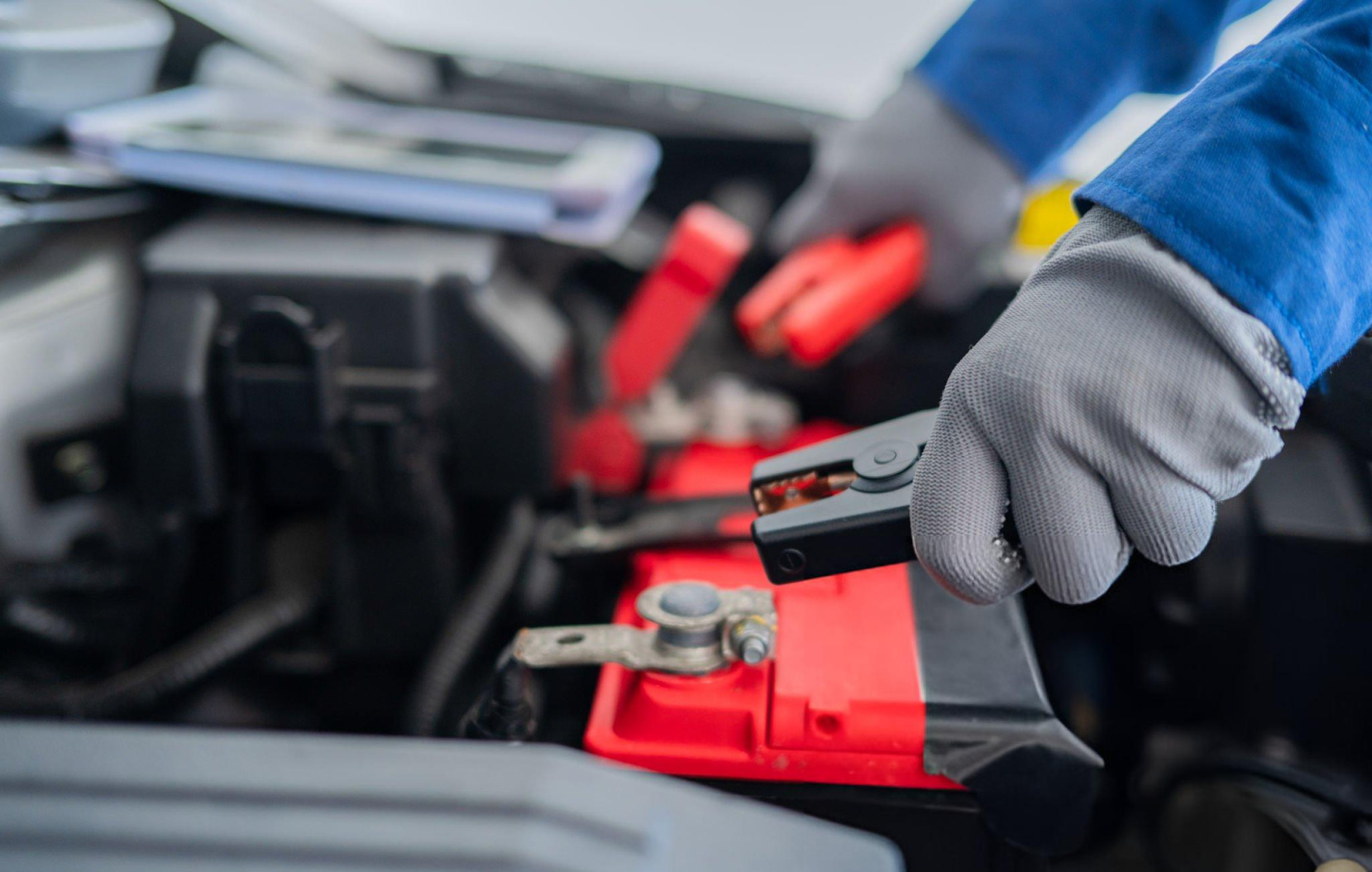
What matters is getting yourself, your passengers, and your vehicle through the situation without injury and without making a bad location worse. Sometimes that means handling it yourself in a quiet lot with the right tools. Sometimes it means making one call for roadside assistance Gilbert AZ and letting a trained responder do the work while you stay out of harm’s way.
For drivers moving between Gilbert and Phoenix, that distinction matters. Fast roads leave little margin for error. Heat punishes hesitation. And a simple tire problem can become dangerous when the setting is ignored.
Flat tire assistance, at its best, is not only about replacing a wheel. It is about protecting people during one of the most common roadside problems they will ever face. That is the part worth remembering the next time a tire goes soft, the steering changes, and the hazard lights come on.
Our Sponsor
EZ3 Roadside Rescue Services
EZ3 Roadside Rescue Services is a Gilbert-based roadside assistance provider serving drivers throughout Gilbert and the greater Phoenix, Arizona area. The company provides fast, professional roadside assistance for common vehicle emergencies, including flat tire repair and tire changes, battery jump starts, emergency fuel delivery, vehicle lockout assistance, lug nut removal, battery replacement, and emergency breakdown assistance. EZ3 Roadside Rescue Services is available 24/7 to help stranded motorists get safely back on the road.
Address:
922 N Colorado St,
Gilbert,
AZ
85233,
United States
Phone: (480) 710-5902
Business Hours:
- Open 24/7 — Emergency Roadside Assistance Available
Follow Us: